
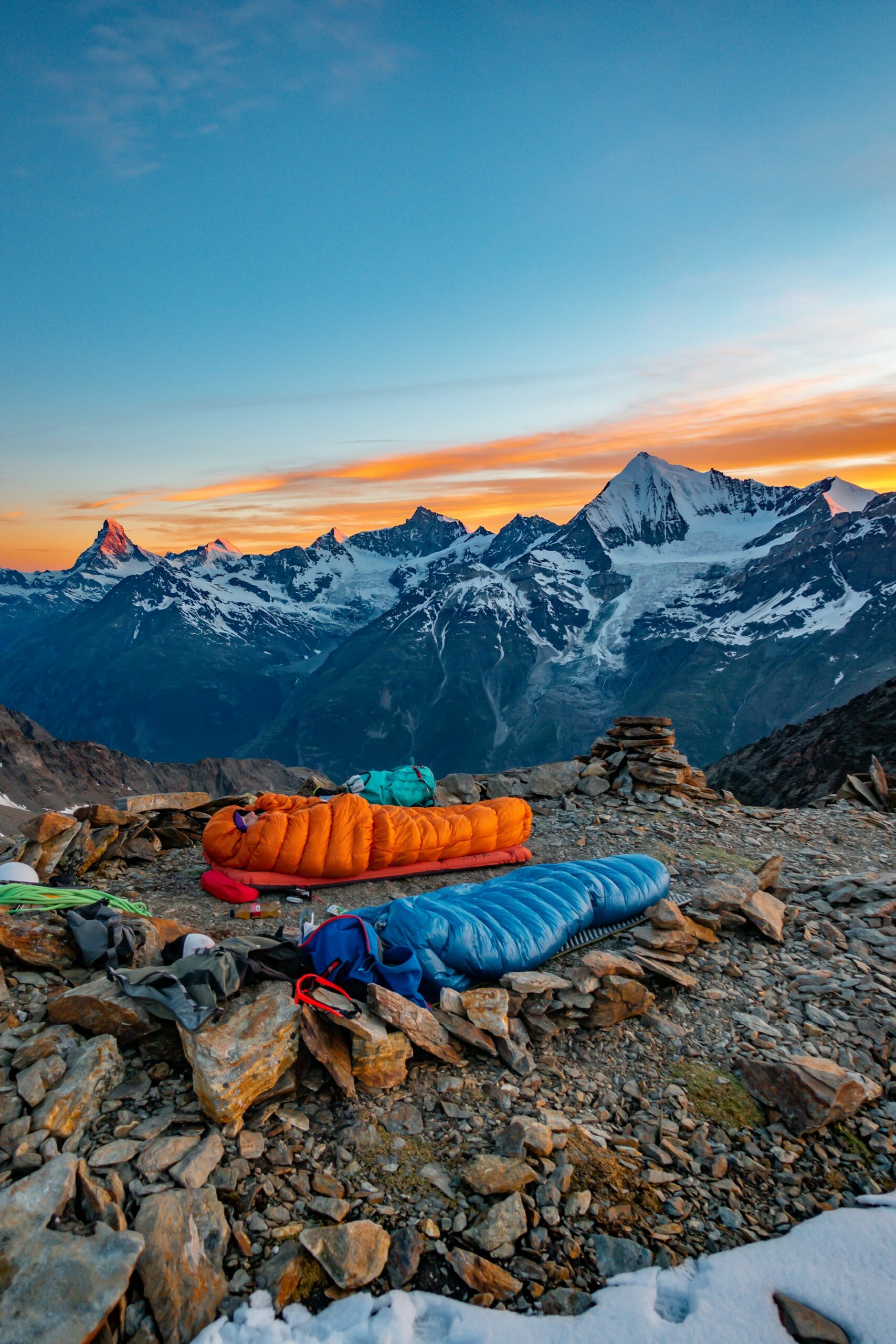
Staying warm while camping has almost nothing to do with how much money you spend on gear. Most of the most effective warmth strategies cost nothing at all. This guide covers both the free techniques and the budget gear upgrades that actually make a difference.
The Ground Is Your Biggest Enemy
Most campers who sleep cold blame their sleeping bag. The real culprit is almost always the ground. Your body loses heat to cold ground through conduction far faster than it loses heat to cold air. A warm sleeping bag with a thin or no sleeping pad underneath is a losing battle — the ground absorbs your heat regardless of how good the bag is.
The single most cost-effective warmth upgrade for most campers is a better sleeping pad. A basic foam pad — the cheap closed-cell type that costs $15-20 — provides meaningful insulation. Stacking two pads, even cheap ones, provides significantly more. If you’re sleeping cold and your current setup uses a thin air pad or no pad, address this before spending money on anything else.
Free Warmth Strategies
These cost nothing and work well:
Layer before you feel cold
Once your body temperature drops, it takes significant energy to recover it. Put on a hat and base layers before you feel chilled — when the sun goes down or when you stop being physically active. This is the single most effective and overlooked warmth strategy. A hat alone can make a dramatic difference because a large proportion of body heat escapes through the head.
Shake out your sleeping bag before getting in
Sleeping bags work by trapping air that your body heats. A bag that hasn’t been fully lofted has compressed insulation and trapped cold air. Give it a thorough shake before climbing in so the insulation fills fully.
Get into your bag before you get cold
A sleeping bag doesn’t generate heat — it traps yours. Getting into a cold bag while your body is already cold means the bag has to work against your body temperature rather than with it. Get in while you’re still warm from the campfire or from being physically active.
Eat a substantial meal before bed
Digestion generates heat. A high-calorie meal one to two hours before sleep, followed by a small snack right before bed, gives your body fuel to stay warm through the night. Foods high in fats and proteins burn slowly and provide sustained warmth. This is not just a camping tip — it’s basic physiology.
Use a hot water bottle
Boil water on your camp stove, pour it into a durable water bottle with a tight lid, and place it at the foot of your sleeping bag before getting in. A Nalgene or similar hard plastic bottle works well. This pre-warms the bag and provides sustained heat for several hours. Cost: zero extra dollars if you already have a bottle and a stove.
Choose your campsite for wind protection
Wind chill lowers the effective temperature significantly. A campsite sheltered by trees, a ridge, boulders, or even your vehicle can be 5-10°F warmer in feel than an exposed site in the same conditions. When possible, set up camp on the leeward side of natural windbreaks rather than in open areas.
Use a smaller tent
A smaller tent retains body heat better than a large one. The air volume your body needs to heat is smaller, and the walls stay closer to you. Two people in a two-person tent sleep significantly warmer than two people in a six-person tent in cold conditions.
Keep tomorrow’s clothes in your sleeping bag
Store your next day’s clothing inside your sleeping bag overnight. They’ll be warm when you wake up, which makes the difficult task of getting dressed in a cold tent considerably more tolerable. Putting on clothes that have been sitting in a cold car at dawn is genuinely unpleasant.
Low-Cost Gear That Actually Helps
Sleeping bag liner: $20-40
A sleeping bag liner slides inside your existing bag and adds 5-15°F of warmth depending on the material. Fleece liners add more warmth; silk liners add less but pack smaller. If your current bag is slightly too cold for the conditions you’re camping in, a liner is a far cheaper solution than buying a new bag. It also keeps your bag cleaner and extends its lifespan.
Wool base layer: $30-60
Wearing a merino wool or synthetic base layer to bed adds meaningful warmth without compressing the sleeping bag insulation excessively. The key word is base layer — thin, close-fitting, and moisture-wicking. A thick cotton sweatshirt worn to bed is less effective and can actually make you colder if you sweat, because cotton holds moisture and loses its insulating properties when damp.
Wool socks: $10-20
Cold feet are one of the most common reasons campers can’t sleep. A pair of dry wool socks specifically for sleeping — not the ones you’ve been hiking in all day — makes a noticeable difference. Merino wool is worth the extra cost over synthetic for sleep socks because it’s softer against skin worn for hours.
Closed-cell foam pad: $15-25
If you’re using an air mattress or thin pad, adding a cheap closed-cell foam pad underneath provides significant ground insulation at low cost. The foam compresses less than air pads and provides consistent insulation even when cold has chilled the surface beneath it.
Hand warmers: $5-10 for a pack
Disposable hand warmers placed at the foot of your sleeping bag before bed provide several hours of heat at minimal cost. Reusable electric hand warmers are a better long-term investment but cost more upfront. Keep hand warmers in your sleeping bag rather than directly against skin to avoid burns, and don’t use them inside a down bag where they can damage the fill.
What Doesn’t Work
A few common warmth strategies that get recommended but don’t hold up:
Drinking alcohol to warm up is counterproductive. It creates a sensation of warmth by dilating blood vessels near the skin, but this actually accelerates heat loss from your core. A glass of wine by the fire is fine, but drinking to stay warm is a myth that can be dangerous in genuinely cold conditions.
Piling everything on top of your sleeping bag doesn’t work as well as it seems. A heavy blanket or extra jacket on top compresses the sleeping bag’s loft and reduces its insulating ability. Put extra layers underneath you or use them on top of a sheet rather than directly compressing the bag.
Burying your face inside your sleeping bag feels warmer but is counterproductive. Your breath introduces moisture into the bag, which degrades insulation over the course of a night. Sleep with your face outside the bag and use a balaclava or hat to keep your head warm instead.
The Most Cost-Effective Investment
If you’re regularly camping cold and want to spend money on exactly one thing to fix it, spend it on a sleeping pad with a higher R-value. A pad with an R-value of 4 or above eliminates the ground heat loss problem that causes most camping cold nights. Everything else — liners, base layers, hot water bottles — is incremental improvement on top of that foundation.
This post contains affiliate links. If you buy through our links, we may earn a small commission at no extra cost to you.