
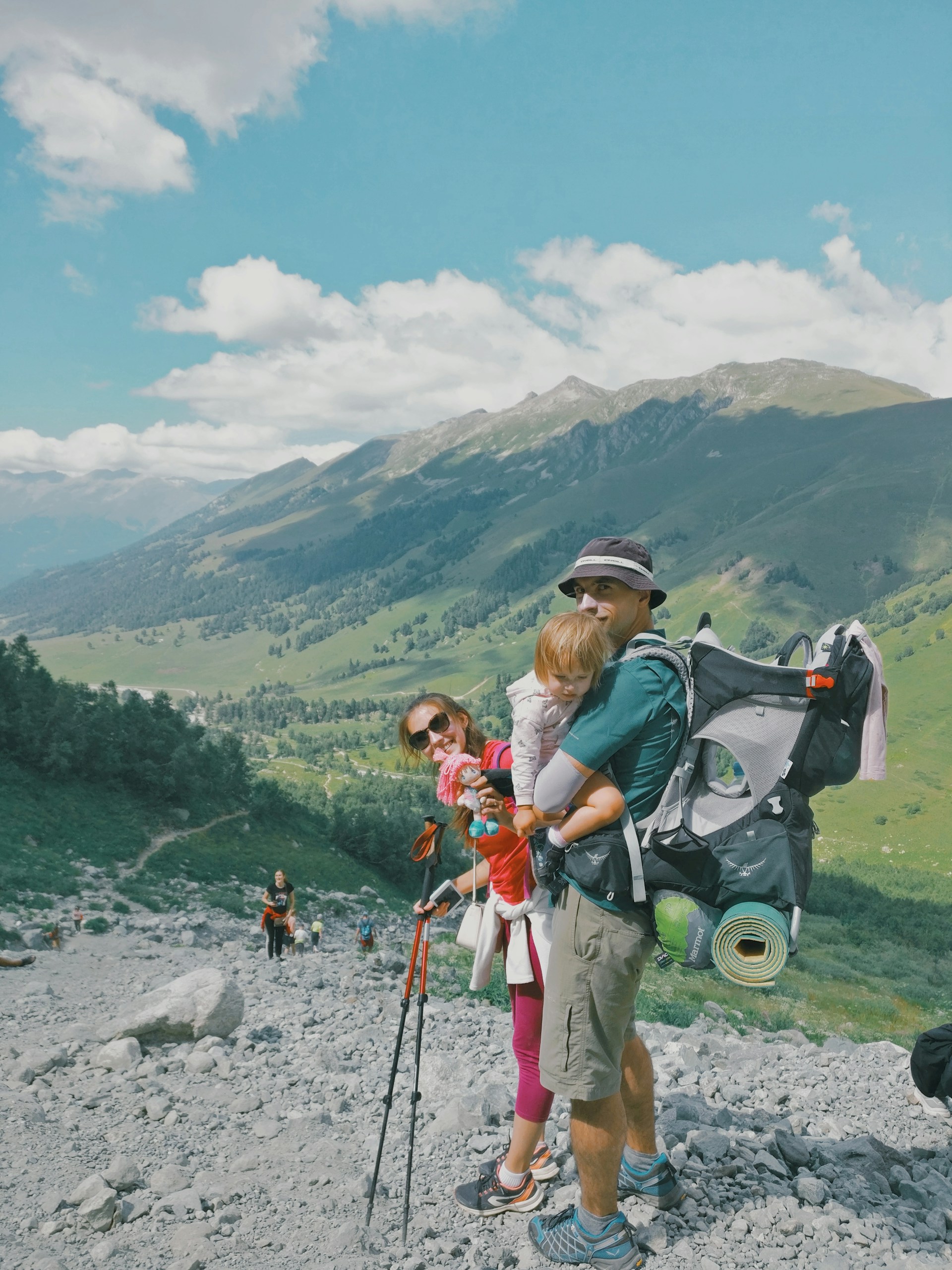
Family camping is one of the genuinely affordable family vacations — no flights, no hotel bills, no restaurant tabs. But it does require more planning than camping without kids, and a few common mistakes can make it expensive and stressful fast. This guide covers how to do it right without overspending.
Start Close to Home
The single most important piece of advice for first-time family camping: stay within an hour or two of home. This does two things. It cuts fuel costs significantly, and it gives you an easy exit if things go sideways — which they sometimes do with young kids on their first camping trip. A child who doesn’t sleep, gets sick, or decides at 10pm that they’re done camping is a manageable situation when home is 45 minutes away. It’s a much harder situation when you’re four hours from your driveway.
Pick a developed campground with restrooms, running water, and ideally a playground or beach for the first few trips. The goal isn’t maximum wilderness immersion — it’s building enough positive experience that the kids want to go again. Free campsites on BLM land are great for adults who camp regularly, but they’re harder to manage with young children who need facilities.
The Gear Reality for Families
Camping with kids requires more gear than camping as adults, but not as much more as you might think. The main additions are:
- A larger tent — size up significantly, kids need space
- Sleeping bags sized for children — adult bags don’t keep kids warm
- Sleeping pads for each child
- A headlamp per child — kids lose them, bring extras
- First aid kit with children’s medications
- Bug spray and sunscreen
- Rain gear for each child
Tent Sizing for Families
The standard advice to “buy a tent one size larger than you need” applies doubly for families. A family of four needs at least a 6-person tent for comfortable sleeping — you need space for four sleeping pads, gear, and enough room to move around when someone needs to get up at 3am. A “4-person” tent is genuinely cramped for four adults; for two adults and two kids with gear, expect everyone to be touching.
Coleman and Core both make reliable 6-person family tents in the $80-120 range that work well for car camping. Look for a tent with at least two doors so adults don’t have to climb over children to get out at night.
Cutting Campsite Costs
Campsite fees are where family camping gets expensive if you’re not careful. A private campground on a holiday weekend can run $50-80 per night — multiply that by several nights and you’ve spent as much as a budget hotel.
State park campgrounds typically run $20-35 per night and are often better maintained than private campgrounds for the price. Many states charge per-site rather than per-person, which makes family camping significantly cheaper than adult camping where per-person fees apply.
Camping midweek rather than on weekends saves $5-15 per night at most campgrounds and means significantly less crowding. If school schedules allow it, a Monday-Wednesday trip is usually cheaper and quieter than a Friday-Sunday trip.
Many campgrounds offer free entry for children under a certain age — often 12 or younger. Check before booking. On sites like Recreation.gov this is listed in the fee details for each campground.
Food With Kids: Keep It Simple
Camping food with children works best when it’s food they already like in a slightly simplified form. Introducing new foods at the campsite is a reliable way to create a hungry, unhappy child. A few family-tested approaches that keep costs low:
Foil packet meals. Chop vegetables and protein, season, wrap in foil, and cook over the fire or camp stove. One packet per person, minimal cleanup, and kids find the assembly process genuinely fun. Potatoes, onions, and sausage is a classic combination that even picky eaters tend to accept.
Hot dogs over the fire. A camping cliché for good reason — simple, cheap, and kids love them. Pair with canned beans and you have a complete meal for a few dollars per person.
Breakfast burritos. Scrambled eggs, cheese, and salsa wrapped in a tortilla. Fast to make on a camp stove and filling enough to fuel a morning of hiking.
S’mores. Not a meal, but worth planning for specifically — the campfire ritual of making s’mores is often the most memorable part of a camping trip for children. Budget $5-8 for supplies and it punches well above its cost in family experience.
Shop at home before leaving, not at camp stores near the campground. Prices at camp stores and rural grocery stores are consistently higher than at your regular supermarket.
Keeping Kids Entertained Without Spending Money
The entertainment budget for family camping should be close to zero. Most of what makes camping enjoyable for children costs nothing:
- Scavenger hunt — write a list of things to find before you leave home
- Bug catching with a jar from home
- Rock skipping at any lake or river
- Stargazing — download a free star map app before you lose cell service
- Fire building — supervised fire-starting is something most kids find genuinely exciting
- Hiking on easy trails — keep it shorter than you think and bring snacks
- Card games and travel-sized board games for tent time
The one thing worth buying specifically for family camping is glow sticks — a pack of 20 costs about $5 and gives children something to do with their hands after dark while keeping them visible around the campsite. Completely frivolous, consistently worth it.
Safety Without Overcomplicating It
Walk the campsite with your children as soon as you arrive. Show them where they can go independently and where they need an adult — particularly near roads, water, and fire. Establish this at the start of every camping trip as a routine, not a warning.
Each child old enough to use one should have their own headlamp and know where it is at all times. Night trips to the restroom happen, and a child navigating an unfamiliar campground in the dark without a light is a problem you can prevent for $15.
A basic first aid kit should include children’s doses of pain relief medication, antihistamine, and antiseptic wipes. The specific outdoor hazards — poison ivy, bees, minor cuts from rocks or sticks — are all manageable with basic supplies. The most common camping medical issue with children is blisters from hiking in shoes that weren’t broken in, which moleskin and attention to footwear solves.
Managing Sleep
Sleep is the most common failure point for family camping trips. Children who sleep poorly for two nights running make the whole trip harder for everyone. A few things that help:
Bring familiar items from home — a stuffed animal, a pillow from their bed, their regular pajamas. The unfamiliar environment is already enough novelty without removing all comfort objects as well.
A sleeping bag rated warmer than you expect to need is worth it for children, who lose body heat faster than adults. A child who wakes up cold at 2am will not go back to sleep easily.
Accept that the first night of any camping trip is often the worst sleep for kids, and the second night is usually significantly better once the environment is familiar. Plan accordingly — don’t schedule a demanding hike for the morning after your first night.
What a Family Camping Weekend Actually Costs
- Campsite (2 nights, state park): $50-70
- Food for 4 people (2 days): $60-80
- Gas (assuming 1-2 hours from home): $20-40
- Incidentals (firewood, ice, forgotten items): $20-30
Total: $150-220 for a family of four for a weekend — assuming gear is already owned or borrowed. Compare that to a budget hotel plus restaurants for the same weekend and the savings are substantial. The gear investment is a one-time cost that pays back quickly across multiple trips.
For a first family camping trip where gear needs to be purchased, borrowing what you can and buying only the essentials keeps startup costs manageable. A tent, sleeping bags, and sleeping pads are the three items worth buying — everything else can be improvised or borrowed for the first few trips until you know what you actually need.
This post contains affiliate links. If you buy through our links, we may earn a small commission at no extra cost to you.