
Car camping and backpacking are both ways to sleep outside and spend time in nature. But when it comes to cost, they work very differently. One has higher upfront gear costs, the other has higher ongoing expenses. This breakdown looks at both honestly so you can decide which makes more sense for your budget.
The Core Difference
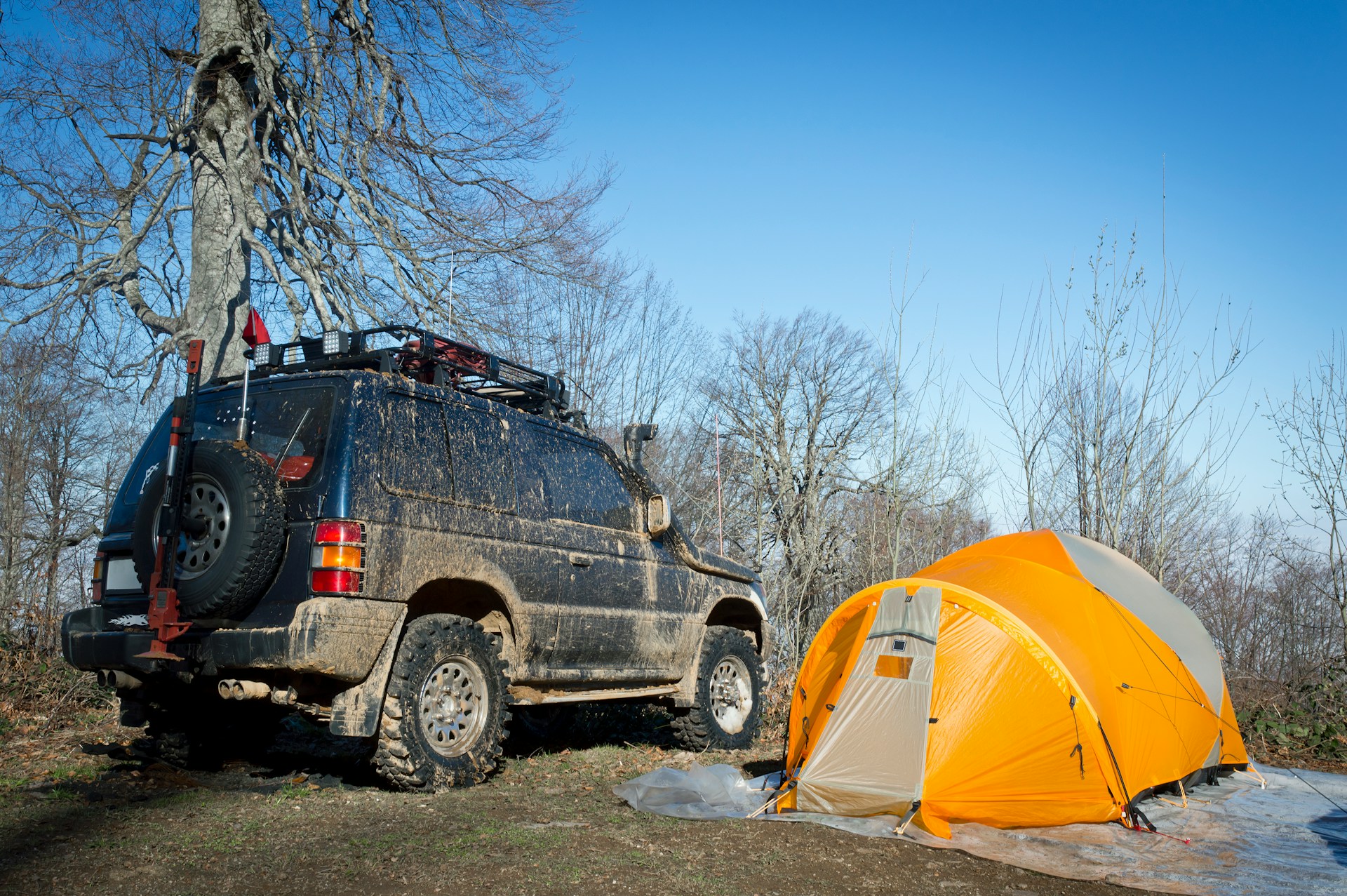
Car camping means driving to a designated campsite and setting up camp next to your vehicle. You can bring as much gear as your car holds, which means comfort comes cheap — heavy coolers, full cooking kits, and folding chairs are all fair game.
Backpacking means hiking to your campsite with everything you need on your back. Weight is the constraint that drives every decision, and lightweight gear costs significantly more than its heavier car-camping equivalent.
That single difference — weight vs. no weight limit — shapes the entire cost comparison.
Gear Costs: Upfront Investment
This is where the two styles diverge most sharply.
Car Camping Gear
Because weight doesn’t matter, car camping gear can be heavy, bulky, and cheap. A perfectly functional car camping setup costs far less than an equivalent backpacking setup.
- 3-person tent: $50–100
- Sleeping bag (synthetic, 40°F): $30–60
- Foam sleeping pad: $15–25
- Single-burner propane stove: $25–40
- Cooler (basic): $30–60
- Cookware set: $20–40
- Headlamp: $15–25
- Camp chairs (2): $30–60
Total starter car camping kit: $215–410 for a complete, functional setup that will last years.
Backpacking Gear
Backpacking gear needs to be light, compact, and durable. Those three requirements push prices up considerably.
- Lightweight 2-person tent: $150–400
- Down or synthetic sleeping bag (20°F): $100–300
- Inflatable sleeping pad: $50–200
- Backpacking stove and fuel: $40–100
- Backpack (40–60L): $100–300
- Water filter: $30–120
- Headlamp: $20–50
- Trekking poles: $40–150
Total starter backpacking kit: $530–1,620 at the budget end of the market. Ultralight gear can push this well past $2,000.
Campsite Fees
This is where the balance tips back toward backpacking.
Car Camping Sites
Designated campgrounds with facilities — restrooms, running water, fire rings — typically cost $20–45 per night at state parks, and $30–55 at private campgrounds. Popular national park campgrounds often require booking months in advance and charge $25–35 per night on top of entrance fees.
Backpacking Sites
Most backcountry sites on National Forest and BLM land are free. Some wilderness areas require free permits, others charge a small fee of $5–15 per night. National park backcountry permits cost more — typically $8–15 per person per night — but you’re still usually paying less per night than a car campsite.
Over a full season of regular camping, the difference in site fees adds up significantly in backpacking’s favor.
Food Costs
Car Camping Food
Car camping allows a full cooler, a proper stove, and real ingredients. This means you can eat well for very little money — eggs, pasta, rice, canned goods, and fresh vegetables are all easy to bring and cheap to buy. A well-planned car camping food budget runs $10–20 per person per day.
Backpacking Food
Weight limits food choices significantly. Freeze-dried backpacking meals are the most convenient option and cost $10–18 per meal. Homemade options like instant oatmeal, ramen, and trail mix bring costs down to $8–15 per person per day, but require more planning. Either way, food tends to cost more per calorie when backpacking than car camping.
Fuel and Transport Costs
Both styles involve driving to a starting point, so transport costs are roughly comparable. The assumption that backpacking is cheaper on gas doesn’t hold up — you’re still driving to a trailhead, often in a remote location that can require as much driving as a car campsite. Some popular trailheads require parking fees of $5–10 per day on top of fuel costs.
Permits and Fees
Car camping rarely requires permits beyond the campsite reservation. Backpacking in popular wilderness areas increasingly requires permits, and some are competitive lottery systems that cost $6–10 to enter regardless of whether you’re selected. National park backcountry permits add $8–15 per person per night.
The Real Cost Comparison
Here’s what a typical weekend trip actually costs for each style, assuming gear is already owned:
- Car camping weekend (2 nights, 2 people): $80–150 total — campsite fees $50–90, food $30–60, fuel shared
- Backpacking weekend (2 nights, 2 people): $40–80 total — site fees $0–30, food $30–50, permit $0–15
Backpacking wins on ongoing trip costs once gear is owned. But the gear investment to get started is 2–4 times higher than car camping.
Which Is Cheaper for a Beginner?
Backpacking makes financial sense once you’re committed to the activity and camping frequently enough that the lower ongoing costs offset the higher gear investment. If you camp 10+ nights per year, the math eventually favors backpacking. If you camp two or three weekends a year, car camping is almost certainly the better value.
When to Start with Each
Start with car camping if you are new to camping, camping with children or groups, unsure whether you’ll enjoy sleeping outdoors, or working with a limited gear budget.
Consider backpacking when you’ve done several car camping trips and want more solitude, you’re comfortable with basic outdoor navigation, you camp regularly enough that the gear investment makes sense, or you want access to remote areas that aren’t reachable by car.
The Middle Ground
Worth knowing: most backpacking gear works perfectly well for car camping. If you buy a quality lightweight tent and sleeping bag for backpacking, you can use the same gear for car camping trips. The reverse isn’t true — a heavy car camping tent is miserable to carry 10 miles into the wilderness. If you’re planning to do both eventually, investing in quality backpacking gear from the start means you only buy once.
The Bottom Line
Car camping costs less to start and is the right choice for most beginners and occasional campers. Backpacking costs more upfront but less per trip, and offers access to wilderness that car camping simply can’t match. Neither is objectively better — they’re different experiences with different cost structures.
If budget is the primary concern and you’re new to camping, start with car camping. Borrow gear, find a state park, and figure out if sleeping outside is something you actually enjoy before spending money on either.
This post contains affiliate links. If you buy through our links, we may earn a small commission at no extra cost to you.