
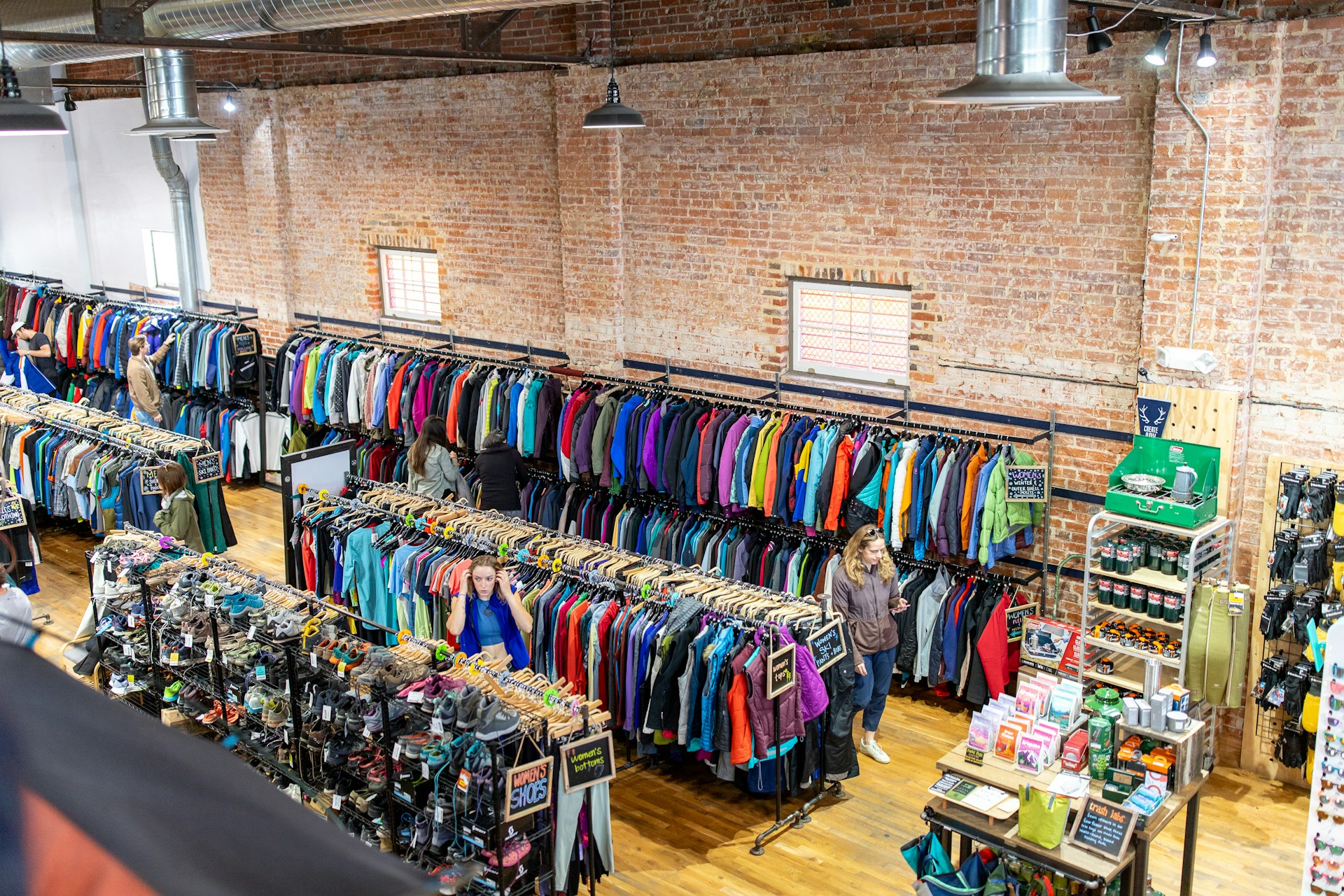
Buying used camping gear is one of the most effective ways to cut the cost of getting started outdoors. A tent that retails for $180 regularly sells secondhand for $60. A sleeping bag worth $120 turns up in thrift stores for $15. The savings are real — but so are the pitfalls if you don’t know what to inspect before buying.
Why Used Camping Gear Makes Sense
Camping gear depreciates quickly in perceived value but slowly in actual condition. Most people who sell their gear used have used it lightly — a few weekend trips before life got in the way. The result is a secondhand market full of equipment that has years of life left in it but sells at a steep discount simply because it isn’t new.
For beginners especially, buying used makes sense for another reason: you don’t yet know what you like. Spending $200 on a new tent before your first camping trip is a gamble. Spending $50 on a used one lets you find out if you enjoy camping before committing serious money to gear.
What to Buy Used — and What to Buy New
Not all camping gear is equally safe to buy secondhand. Some items are straightforward. Others carry real risks if they’re worn or damaged in ways that aren’t obvious at first glance.
Safe to Buy Used
- Camp stoves — durable, easy to inspect, hold value poorly
- Cookware and camp kitchen gear — pots, pans, utensils
- Camp chairs and tables — heavy, cheap new, plentiful used
- Coolers — inspect for seal integrity and odor
- Trekking poles — check locking mechanisms and tips
- Headlamps and lanterns — test with fresh batteries before buying
- Backpacks — inspect seams, zippers, and hipbelt foam
- Tents — with careful inspection (see below)
Buy New or Inspect Very Carefully
- Sleeping bags — check for compressed or clumped insulation, odor, damaged baffles
- Sleeping pads — inflate fully and check for leaks before buying
- Hiking boots — midsole compression is invisible but critical; avoid heavily used footwear
- Helmets and safety gear — never buy used if you can’t verify history
Where to Find Used Camping Gear
Facebook Marketplace
The best all-around source for used camping gear in most parts of the US. Local listings mean you can inspect items in person before buying and avoid shipping costs. Search for specific items — “tent,” “sleeping bag,” “camping gear lot” — and set alerts for new listings. Prices are negotiable and sellers are often motivated. The main downside is that inventory is unpredictable and you need to be patient.
REI Used Gear (Re/Supply)
REI’s used gear program sells returned and trade-in items that have been inspected and graded. Items are rated new, excellent, good, or fair, and the program carries everything from tents and sleeping bags to apparel and camp chairs. The prices are higher than Facebook Marketplace but lower than retail, and you have the confidence of knowing a trained staff member has checked the item. REI membership ($30 lifetime) is required to purchase. Worth checking regularly as inventory updates frequently.
Thrift Stores
Goodwill, Salvation Army, and similar stores regularly have camping gear, particularly in areas near mountains or outdoor recreation destinations. Prices are low — sometimes extremely low — but inventory is random and you need to inspect everything carefully. The best strategy is to visit regularly rather than hoping to find something specific on one trip. Mountain towns and college towns tend to have better thrift store gear than suburban areas.
Gear Trade and GearTrade.com
An online marketplace specifically for used outdoor gear. Better organized than eBay for outdoor equipment, with condition ratings and a focus on legitimate outdoor brands. Prices are higher than Facebook Marketplace but the selection of quality brands is better. Good for finding specific higher-end items — a particular tent model or backpack — that wouldn’t turn up locally.
eBay
A deep inventory of used outdoor gear, but prices on popular items can approach retail due to bidding competition. Best used for finding specific hard-to-find items or older gear that isn’t in current production. Read seller feedback carefully and look for detailed photos before bidding.
Local Gear Swaps and Outdoor Club Sales
Many outdoor clubs, hiking groups, and climbing gyms run annual gear swaps where members sell used equipment. These events tend to have well-maintained gear from serious outdoor people who know what they own. Search locally for “outdoor gear swap” or check with local REI stores, which run periodic garage sales.
How to Inspect a Used Tent
Tents are the most commonly bought used camping item and the most important to inspect carefully. Here’s what to check:
- Set it up fully — never buy a tent you haven’t seen pitched
- Check every zipper — open and close each one fully, both directions
- Inspect the rainfly — hold it up to light and look for thin spots, tears, or delamination
- Check the floor — look for wear spots, holes, or abraded areas
- Check all poles — flex each pole section and look for cracks, especially at the ferrule joints
- Count the stakes — missing stakes are easy to replace but worth noting
- Smell the inside — mold and mildew are difficult to fully remove
- Check the seams — seam tape that’s peeling will let water in
How to Inspect a Used Sleeping Bag
Sleeping bags are trickier to evaluate than tents because the most important factor — insulation quality — degrades invisibly over time.
- Check the loft — shake the bag and lay it flat. Good insulation springs back fully. Flat, compressed areas indicate degraded fill.
- Check for cold spots — run your hand across the bag feeling for areas with noticeably less insulation
- Smell it — musty or sour odors are difficult to remove and suggest improper storage
- Test the zipper — run it the full length in both directions
- Check the shell fabric — look for tears, worn spots, and areas where the fabric has thinned
Negotiating the Price
Used gear prices on Facebook Marketplace and Craigslist are almost always negotiable. A few principles that work:
Do your research before making an offer. Know what the item sells for new and what comparable used listings are asking. An offer with a reason — “I noticed the rainfly has a small tear, would you take $X?” — lands better than a lowball with no explanation.
Cash in hand at a meeting moves deals. Sellers who have been waiting weeks for a buyer will often accept less to close the deal quickly.
Buying multiple items from one seller opens room for a bundle discount. If someone is selling their entire camping setup, making an offer on everything together often gets a better per-item price than buying each piece individually.
After You Buy
Before taking any used gear on a camping trip, do three things. Wash fabric items — sleeping bags, tents, and apparel all benefit from a proper clean. Test everything — pitch the tent, inflate the sleeping pad, fire up the stove. And repair minor issues — a small seam split, a loose buckle, or a zipper that needs lubrication are all quick fixes that are worth doing at home rather than discovering in the field.
This post contains affiliate links. If you buy through our links, we may earn a small commission at no extra cost to you.