
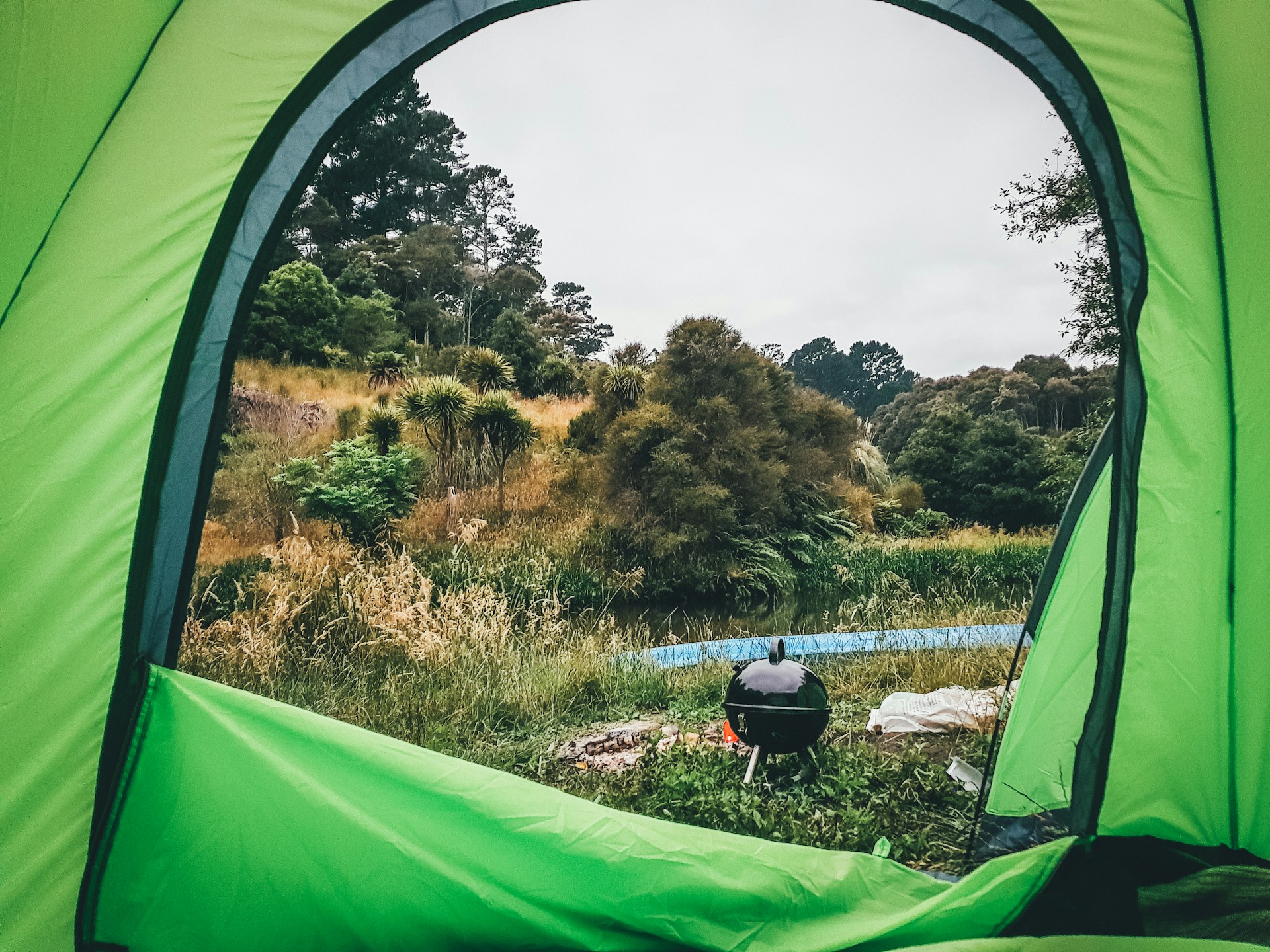
Camping is supposed to be the affordable vacation. But between gear costs, campsite fees, food, and gas, a weekend in the woods can quietly turn into a $400 trip. The good news: with a little planning, you can keep a camping trip genuinely cheap without sacrificing comfort. Here are 20 practical tips that actually work.
Campsite Costs
Where you sleep is your biggest variable expense. This is where the biggest savings are hiding.
Camp on BLM Land or National Forest for Free
The US has nearly 150 million acres of public land managed by the Bureau of Land Management (BLM) and the US Forest Service where dispersed camping is legal and free. No reservations, no fees, no crowded campgrounds. You just need to follow basic Leave No Trace rules and check if permits are required in your specific area.
Choose State Parks Over National Parks
National parks have entry fees on top of campsite fees. State parks often offer comparable scenery and facilities at a fraction of the price. A state park campsite can run $15–25/night vs. $30–50+ at popular national parks.
Camp on Weekdays
Many campgrounds charge higher rates on weekends, especially Friday and Saturday nights. Shifting your trip to Monday–Thursday can save $5–15 per night and means far fewer crowds.
Go in the Off-Season
Shoulder seasons — early spring and late fall — offer lower campsite rates, emptier grounds, and often beautiful weather. Avoid holiday weekends like Memorial Day, 4th of July, and Labor Day entirely if budget is a priority.
Get the America the Beautiful Pass
If you camp in national parks or federal lands more than once a year, the America the Beautiful Annual Pass ($80) pays for itself fast. It covers entrance fees at over 2,000 federal recreation sites for a full year.
Gear Without the Price Tag
You don’t need expensive gear to camp well. Here’s how to get equipped without overspending.
Borrow Before You Buy
If you’re new to camping or only go once or twice a year, borrowing gear from friends or family is the single best money-saving move. A tent, sleeping bag, and sleeping pad are the big three — these alone can cost $150–300 new. Borrow them for your first few trips before deciding what’s worth buying.
Buy Used Gear
Camping gear holds up well and is widely available secondhand. Check Facebook Marketplace, Craigslist, REI’s used gear program, and thrift stores. A used tent in good condition can cost 30–50% of its retail price. Inspect zippers, seams, and poles before buying.
Shop End-of-Season Sales
Outdoor retailers discount camping gear heavily at the end of summer (August–September) to clear inventory. This is the best time to buy new gear at 30–50% off. Buy this season’s gear for next season’s trips.
Start with the Essentials Only
Beginners often overbuy gear before they know what they actually need. Start with the minimum: tent, sleeping bag rated for the temperatures you’ll face, sleeping pad, and a headlamp. Everything else can wait until you know whether camping is for you.
Share Gear with Your Group
Camping with friends? Split the big-ticket communal items — one camp stove, one cooler, one lantern, one set of cookware. There’s no reason for everyone to bring their own. Coordinate before the trip and divide the gear list up front.
Food on the Cheap
Food costs can sneak up fast on a camping trip. A little planning eliminates most of the waste.
Plan Every Meal Before You Leave Home
Meal planning is the single best way to control food costs. Write out every meal and snack for the trip, shop at home, and bring exactly what you need. Unplanned meals lead to expensive camp store runs and wasted food.
Never Buy Food Near the Campground
Camp store markups are brutal — expect to pay 2–3x normal grocery prices for basic items. Bring everything from home, including extra supplies like sunscreen, batteries, and bug spray. These items are always cheaper at your local store.
Stick to Simple, High-Value Meals
Eggs, pasta, rice, canned beans, hot dogs, oatmeal — these are cheap, filling, and easy to cook over a camp stove or fire. You don’t need to eat fancy to eat well. One-pot meals minimize both cost and cleanup.
Skip the Disposable Plates and Cutlery
Paper plates and plastic forks feel convenient but add up over a multi-day trip and create a lot of trash. A basic set of reusable camp plates and metal cutlery costs under $20 and lasts for years.
Logistics and Planning
Good planning is free and saves money at every stage of the trip.
Camp Close to Home
Gas is often the largest hidden cost of a camping trip. A campsite 2 hours away instead of 4 can save $30–60 in fuel each way. Local camping also means less trip planning stress and more time actually outdoors.
Book Early for Popular Campgrounds
Last-minute bookings at popular campgrounds force you into whatever spots are left — often the worst sites at the highest prices. Booking 3–6 months ahead (required for many national park campgrounds) gets you better sites and sometimes early-bird pricing.
Camp in a Group to Split Costs
Campsite fees are typically per-site, not per-person. Bringing more people means splitting a fixed cost more ways. A $30/night site split four ways is $7.50 each — hard to beat.
Set a Trip Budget Before You Go
Decide your total spend before leaving. Break it into categories: campsite, food, gas, and a small buffer for unexpected costs. Having a number in your head keeps you honest at the camp store.
Bonus Tips
Stick to Free Activities
Hiking, swimming, fishing (once you have a license), stargazing, and sitting around a campfire cost nothing. Many national forests offer free ranger programs and nature walks. You don’t need to pay for entertainment while camping — the point is being outdoors.
Repair Gear Instead of Replacing It
A torn tent seam, a broken zipper, or a leaky sleeping pad are all fixable for a few dollars with the right repair kit. Tent repair tape, seam sealer, and sleeping pad patch kits are cheap and can extend the life of your gear by years.
Final Thoughts
Camping on a budget isn’t about roughing it or going without — it’s about making smart decisions before and during your trip. The biggest costs (gear, campsites, food) are all controllable with a bit of planning. Start with borrowing gear, find a free site nearby, plan your meals at home, and you’ll have a great trip for well under $50.
Have a budget camping tip that works for you? The tips above are just the start — the outdoor community has decades of hard-won frugal wisdom worth drawing on.